Upper Hunza
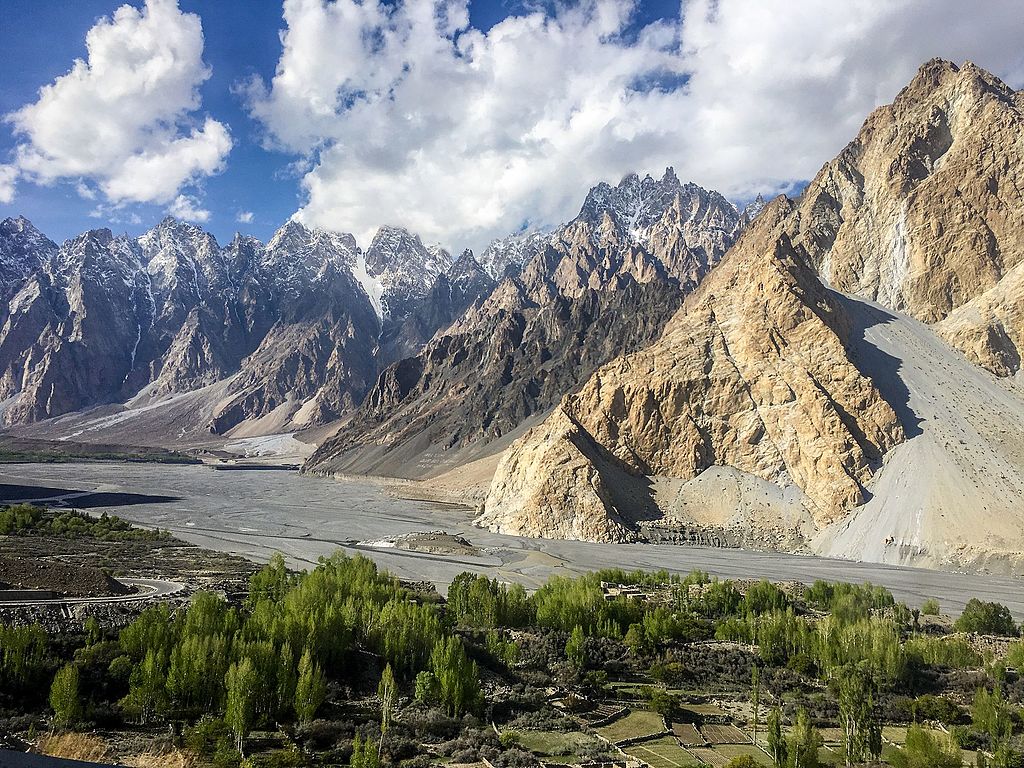
Passu Cones
One of the most distinctive mountain silhouettes on the Karakoram Highway.

 Silk Road specialists
Travel from China across the legendary Khunjerab Pass and turn your border crossing into a journey through Upper Hunza, the Karakoram and northern Pakistan.
The historic Silk Road does not stop at China’s western frontier. From Xinjiang and Tashkurgan, the road rises into the Karakoram and crosses into Pakistan through Khunjerab Pass.
On the Pakistan side, the landscape changes quickly: high plateau gives way to Sost, Passu, turquoise water, glaciers, historic settlements and the broad Hunza Valley. It is a natural continuation of the same Silk Road story — with a completely new culture on the other side of the mountains.
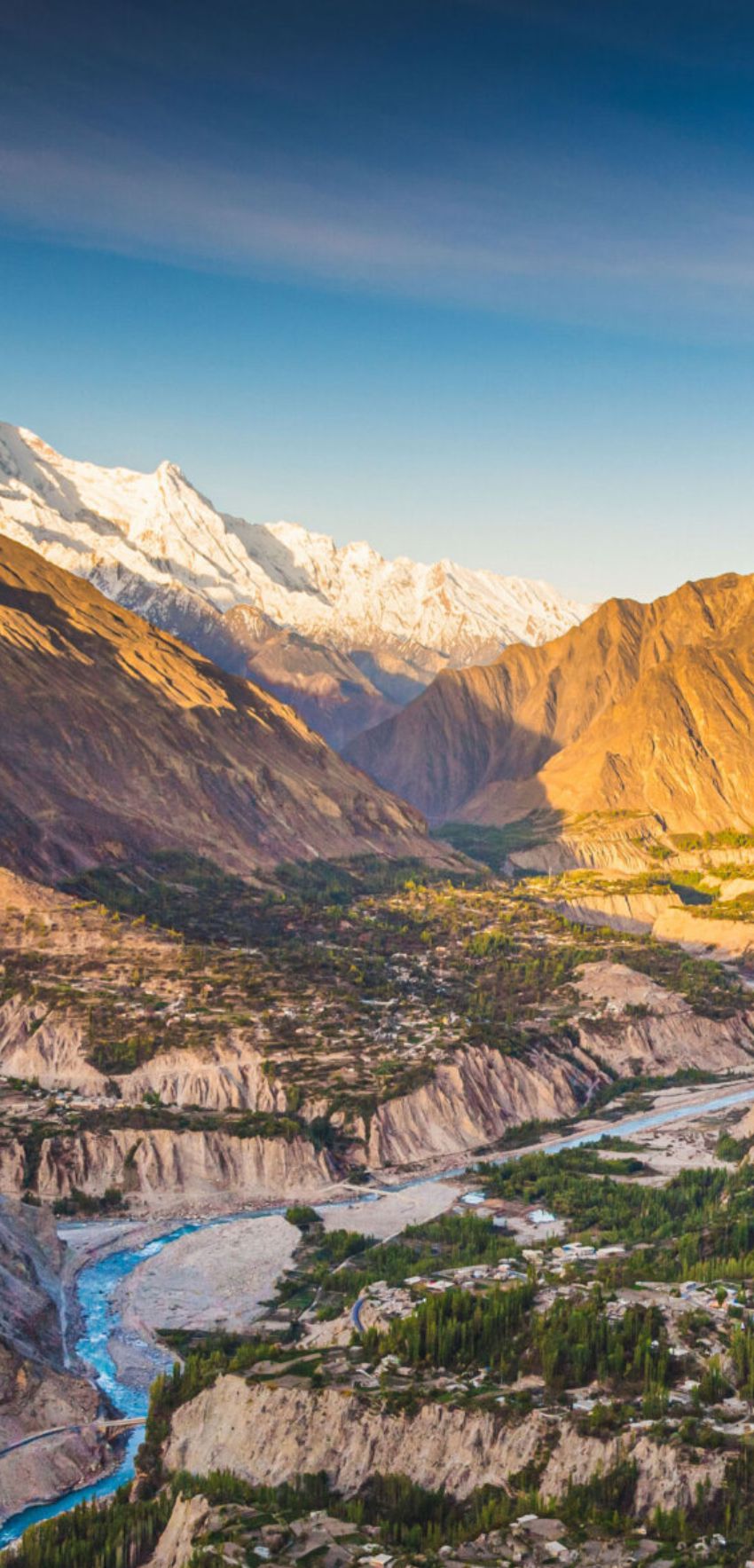
A simple overland journey that moves from Xinjiang into the high Karakoram, then descends through Upper Hunza toward Gilgit and the rest of Pakistan.
Khunjerab Pass connects China’s Xinjiang region with Gilgit-Baltistan through the Karakoram Highway. At high altitude, the crossing is defined by open plateau, snow peaks, immense skies and the feeling of moving between two great mountain worlds.
Within hours of entering Pakistan, the road reveals glaciers, turquoise water, dramatic peaks, historic settlements and the warm hospitality of Hunza.
One of the most distinctive mountain silhouettes on the Karakoram Highway.
Your practical gateway into Pakistan, with immigration and customs facilities.
Suspension bridge, village life and dramatic Upper Hunza scenery.
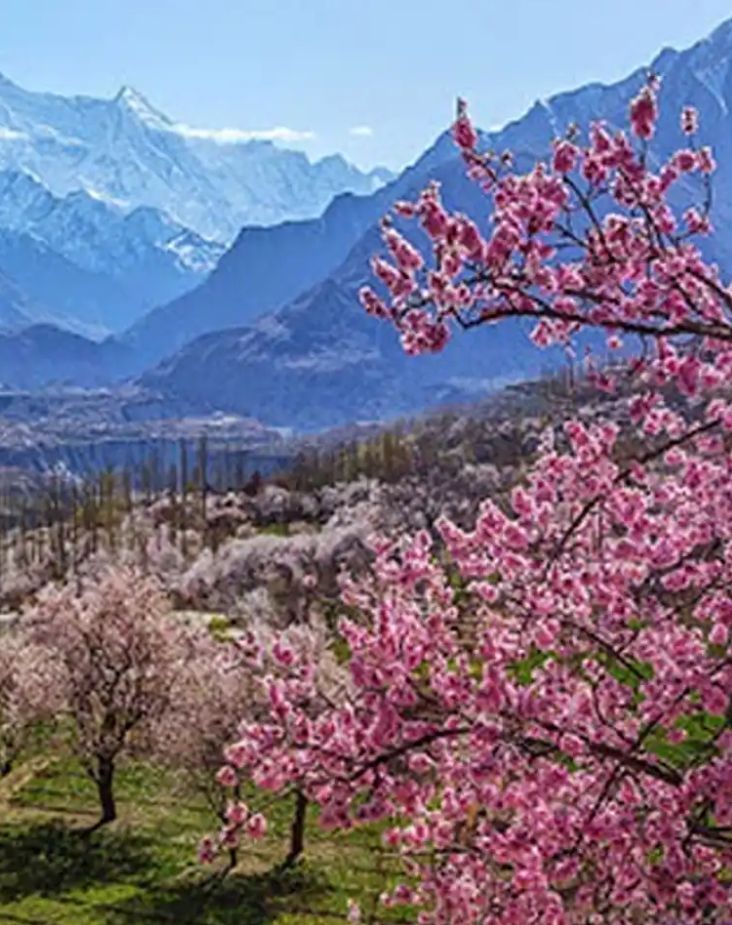
A striking stop on the road toward central Hunza.
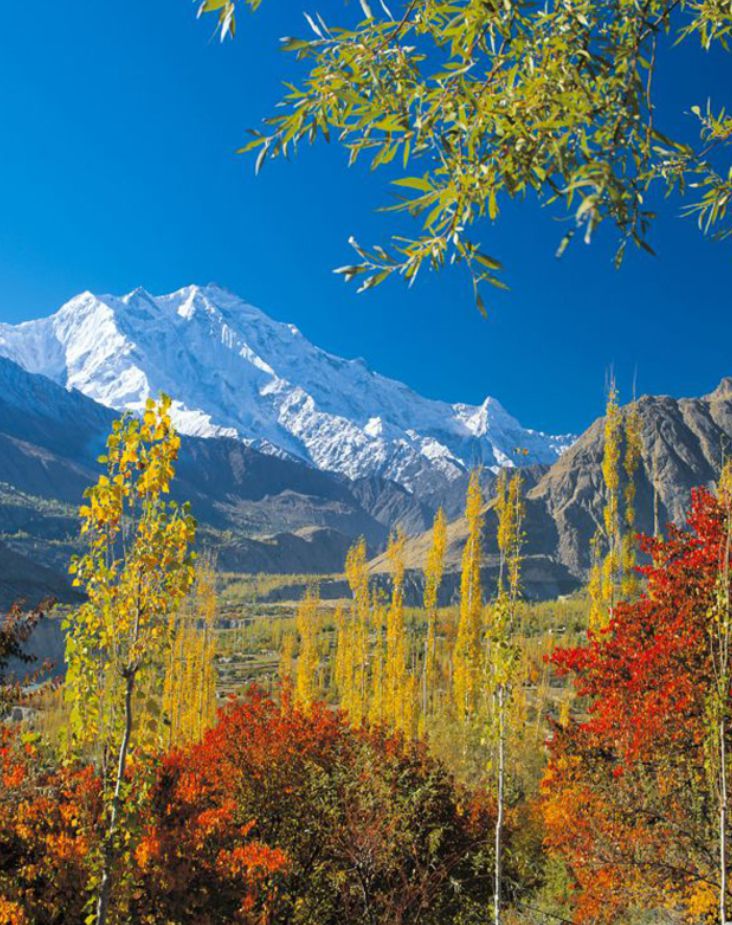
Heritage, mountain viewpoints and the cultural heart of the valley.
Crossing into Pakistan changes the landscape, language and rhythm of the journey — while keeping you on the historic Silk Road.
Travel one of Asia’s legendary mountain roads, linking the high frontier with the valleys of northern Pakistan.
Meet communities shaped by centuries of exchange, trade and life in the high Karakoram.
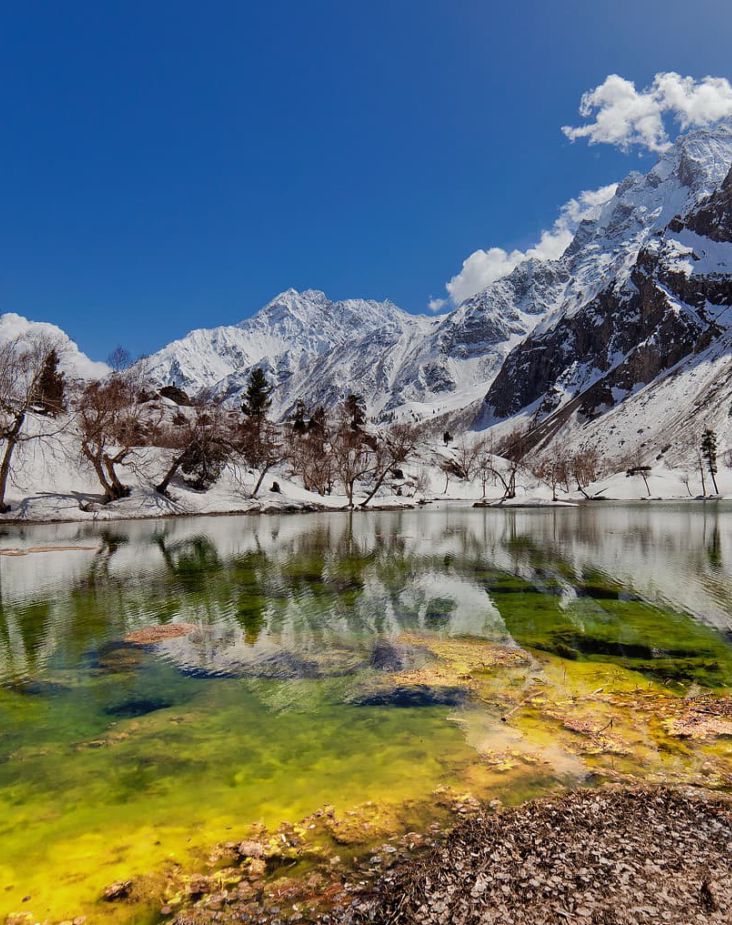
Glaciers, lakes, high passes, river valleys and dramatic peaks appear one after another.
Food, architecture, languages, music and local life connect the journey to a much older regional story.
Strong locations for landscape, road-trip, cultural and high-altitude travel photography.
Stay in Hunza, continue to Gilgit, or build a longer route toward Islamabad and other parts of Pakistan.
A compact first journey through Upper Hunza and central Hunza. Shorten it, extend it, or turn it into a longer Pakistan itinerary.
Complete the Pakistan-side formalities and descend through the high Karakoram toward Upper Hunza.
Explore the Passu area, local villages, glaciers and the distinctive landscapes of Upper Hunza.
Travel through the lake corridor and nearby Upper Hunza attractions, with time for photography and local stops.
Discover Hunza’s heritage, historic settlements, viewpoints and local culture.
Continue deeper into Pakistan, connect with your onward route, or add more days in the north.
Keep the process simple: confirm your entry requirements first, align your border date with current operations, then build the Pakistan side of the journey around your available time.
Chinese ordinary-passport travellers should confirm the current Pakistan visa or travel-authorization process through official government channels before departure.
Passenger access can be affected by border schedules, public holidays, high-altitude weather and temporary official closures.
Once your entry arrangements are clear, Silk Road Caravan Tours can help shape the Pakistan-side itinerary around Hunza and onward travel.
The company has operated since 1990 and combines local experience, personalized service and specialist knowledge of Pakistan and the wider Silk Road region.
Decades of experience creating journeys through the region.
Local knowledge close to where the Pakistan journey begins.
Flexible planning instead of a one-size-fits-all package.
Guides familiar with the roads, communities and culture.
Experience across Pakistan and the wider historic Silk Road.
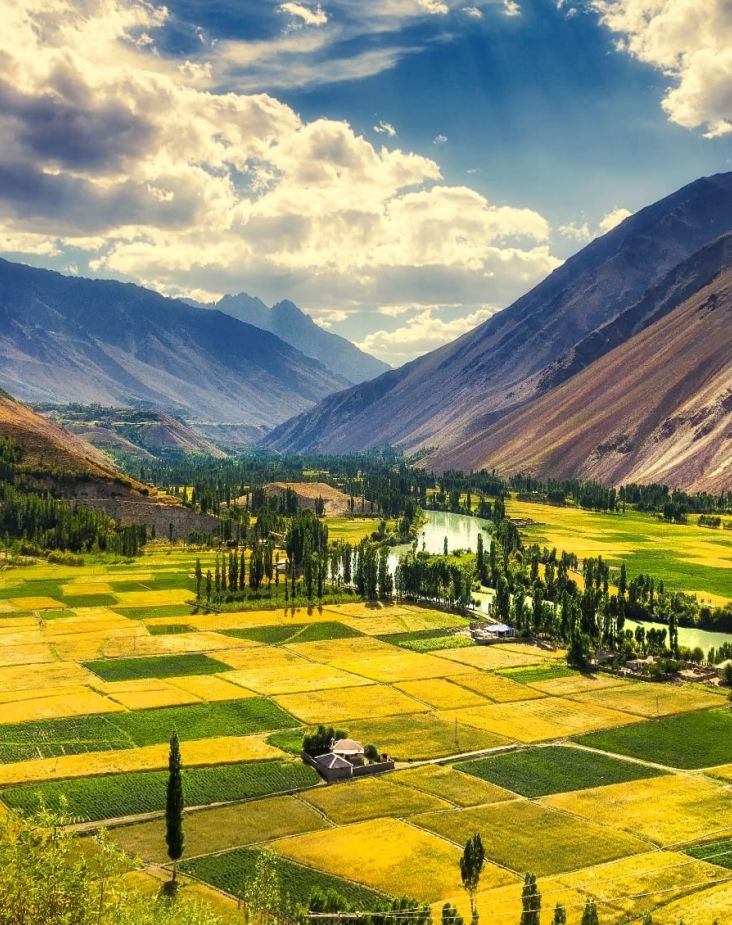
High plateau, narrow valleys, orchards, snow peaks and turquoise water — the visual rhythm of the Karakoram keeps changing as you move south.
KarakoramHunzaHigh mountainsSeasonal colourUpper HunzaBorder and visa rules are time-sensitive. These answers are deliberately cautious and should be rechecked before every departure.
Passenger travel through Khunjerab is possible when the crossing is open for passenger clearance and the traveller holds the required documents. Operations may be affected by official schedules, holidays, weather and temporary restrictions, so confirm the crossing before departure.
Do not assume blanket visa-free entry. Pakistan’s visa-exemption arrangements for China differ by passport type, and ordinary-passport tourists should confirm the current e-visa or travel-authorization requirements through Pakistan’s official visa system.
Sost is the key Pakistan-side border town and hosts immigration and customs facilities for traffic using the Khunjerab route.
Sost is the first major Pakistani settlement on the Karakoram Highway after the border route. From there, travellers continue toward Passu, Gojal and the rest of Hunza.
The team can discuss a custom Pakistan-side itinerary, including Hunza and onward travel. Exact pickup and transfer arrangements should be confirmed in advance according to current border and transport regulations.
Conditions at the pass are highly weather-dependent because of the altitude. Warmer months are usually easier for sightseeing and road travel, but current road and passenger-crossing status should always be checked before departure.
Yes. A custom route can continue through Gilgit and farther south toward Islamabad, or be extended to other destinations depending on time, road conditions and your travel plan.
Yes. Silk Road Caravan Tours promotes personalized services, so the length, pace and destinations can be discussed around your group and available days.
Cross the mountains, enter Pakistan and discover the legendary landscapes of Hunza with a local team that has been travelling these roads for decades.